Tracheostomy Care Adult Family Home Placement
Tracheostomy patients require specialized airway management that most care facilities cannot provide. We help Seattle-area families find adult family homes with skilled trach care capabilities.
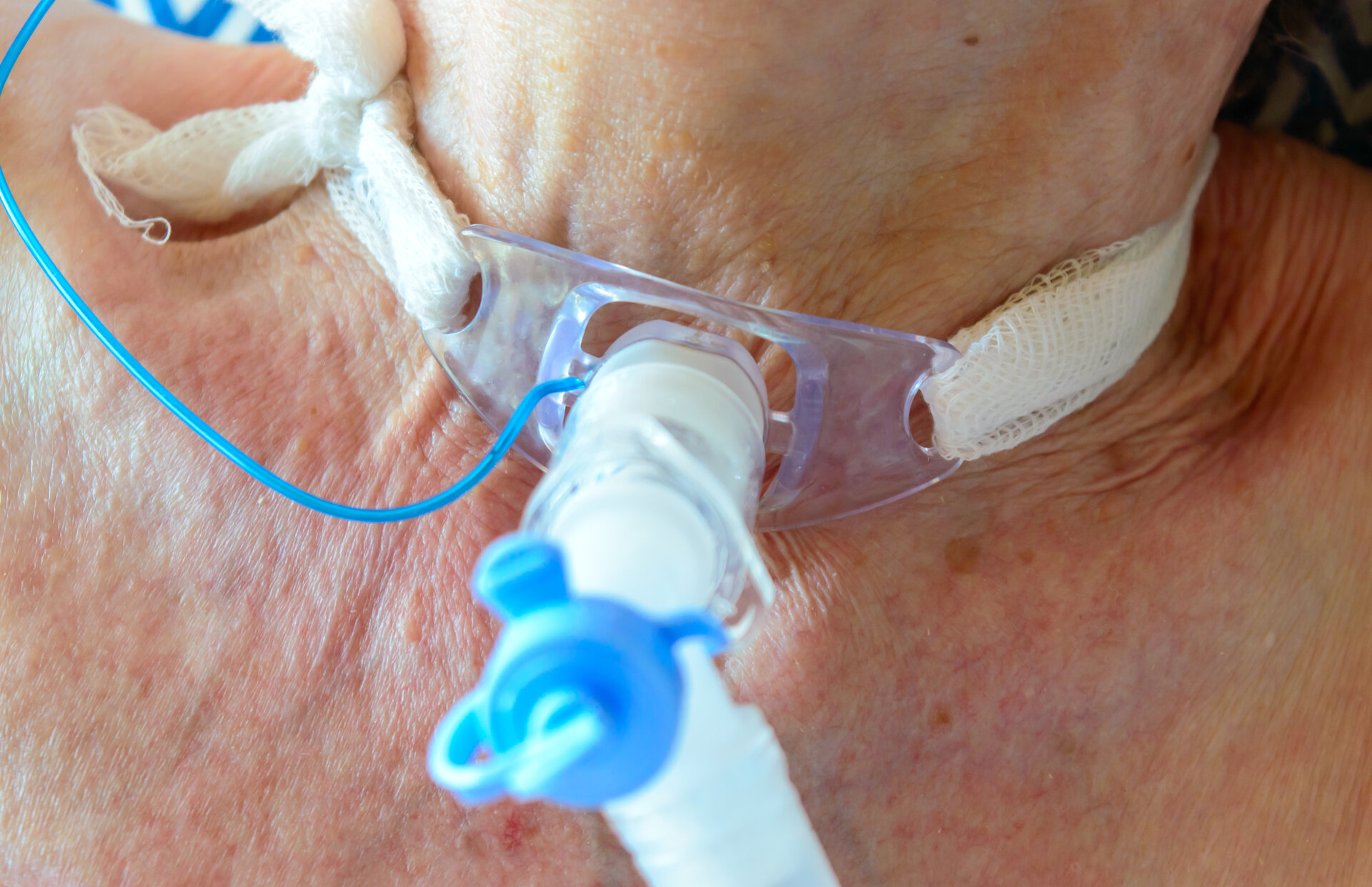
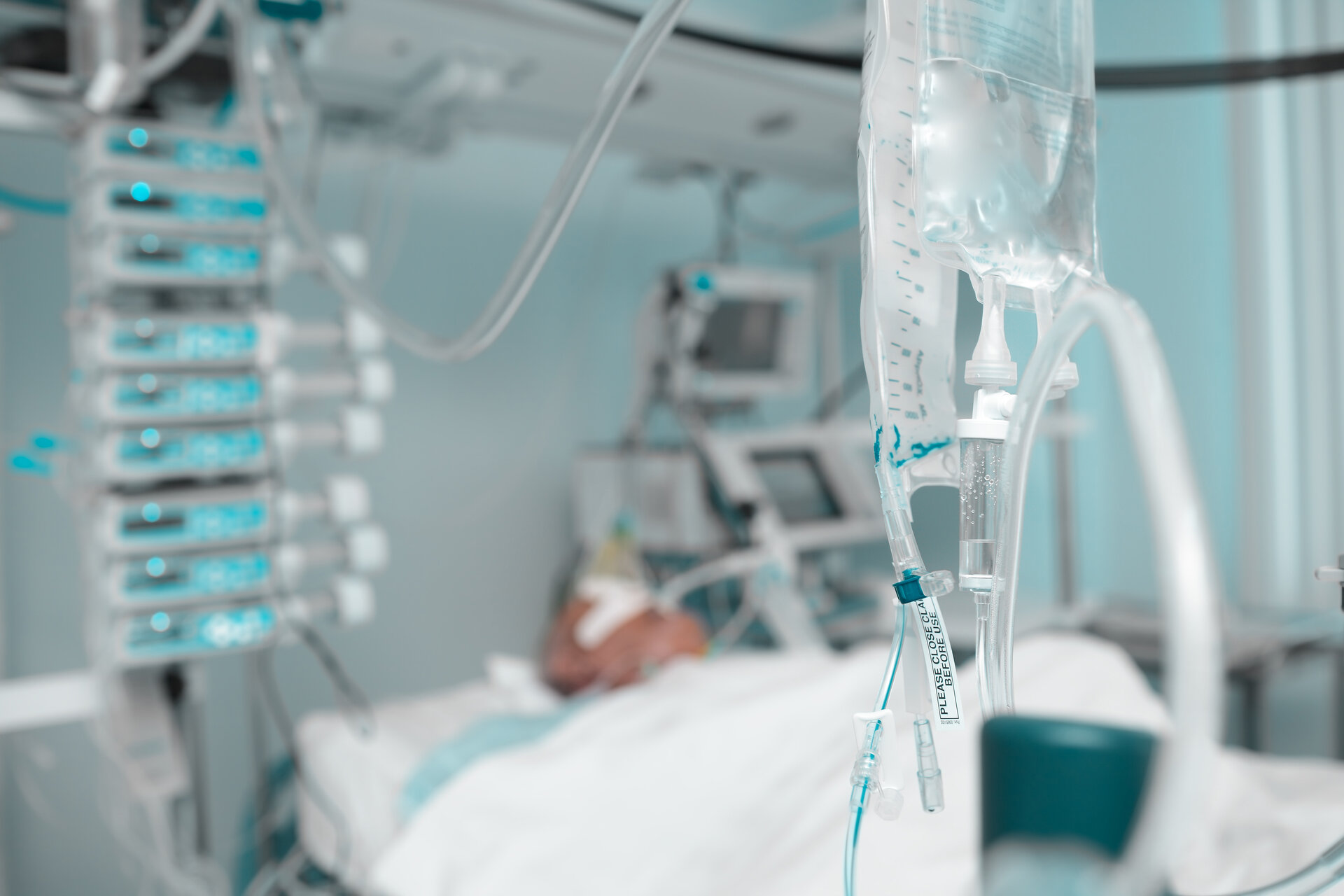
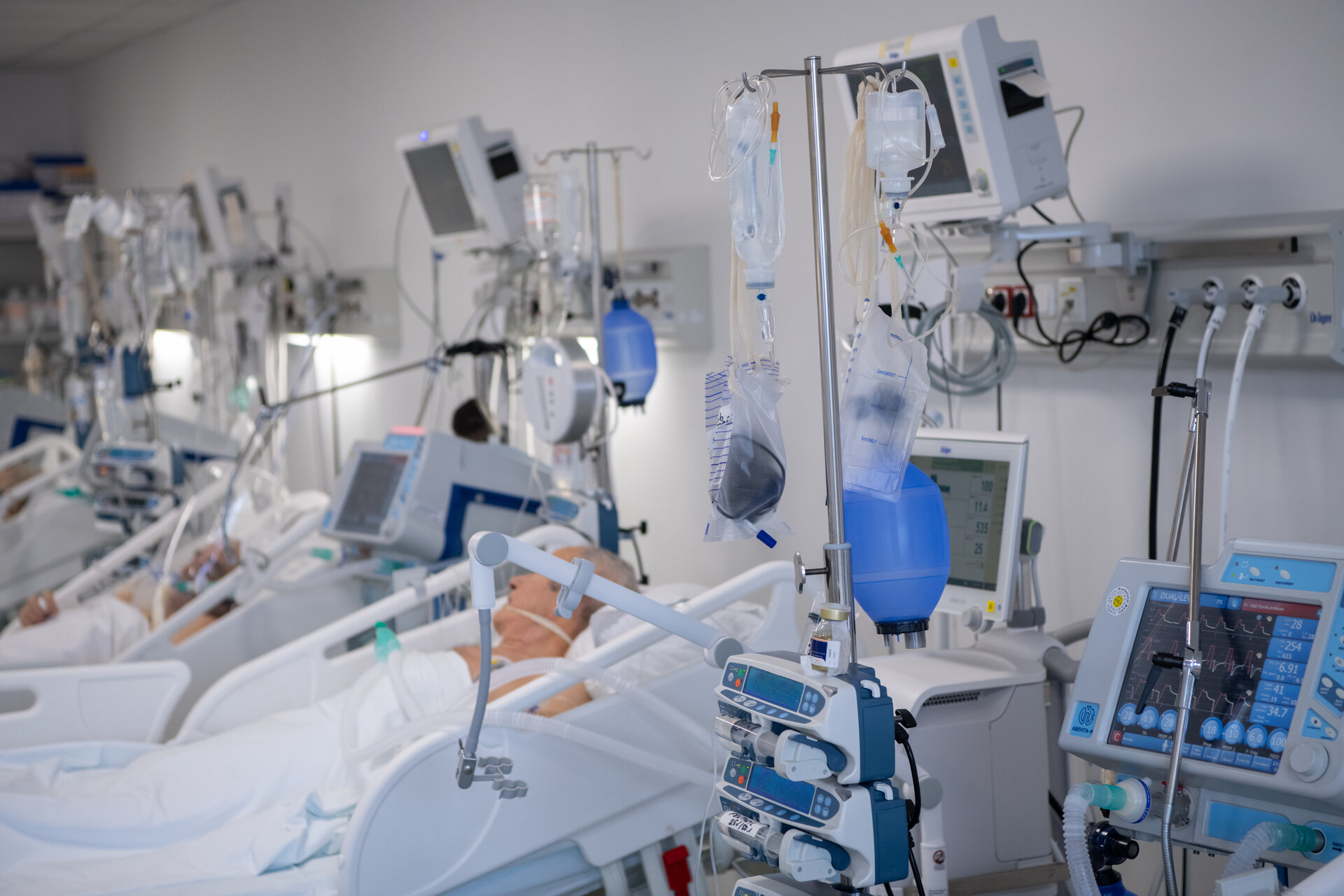
Understanding Tracheostomy Care in Adult Family Homes
A tracheostomy is a surgically created opening in the neck that provides an airway directly to the trachea. According to Washington State DSHS, adult family homes providing tracheostomy care must have caregivers trained in trach management and may require skilled nursing support depending on the complexity of care needed.
Tracheostomy care in adult family homes includes:
- Routine trach care — Cleaning the stoma site, changing trach ties, and maintaining skin integrity
- Suctioning — Removing secretions from the airway using proper technique and equipment
- Trach tube changes — Scheduled replacement of the tracheostomy tube (often requiring nursing)
- Emergency response — Recognizing and responding to airway emergencies including accidental decannulation
- Humidification — Maintaining adequate moisture to prevent airway complications
- Communication support — Assisting with speaking valves or alternative communication methods
Seattle Assisted Living Network identifies adult family homes throughout the Seattle metro area with verified tracheostomy care capabilities. We understand that trach patients have been turned away by many facilities, and we specialize in finding appropriate placements.
Tracheostomy Care Requirements
Trained Caregivers
Staff trained in tracheostomy care, suctioning technique, emergency procedures, and recognition of respiratory distress signs.
Suction Equipment
Portable and stationary suction machines, appropriate catheters, and supplies for routine and emergency suctioning.
Humidification Systems
Trach collars, humidity systems, or other methods to maintain airway moisture and prevent mucus plugging.
Emergency Supplies
Backup trach tubes, obturators, Ambu bags, and emergency airway equipment readily accessible.
Nursing Support
Access to skilled nursing for trach changes, complex care needs, and clinical oversight.
Physician Access
Established relationships with pulmonologists or ENT specialists for trach-related medical needs.
Tracheostomy Care Costs in Seattle-Area Adult Family Homes
Tracheostomy care costs vary based on the level of skilled nursing required. Stable trach patients who primarily need routine care cost less than those requiring frequent suctioning or nursing oversight. The Genworth Cost of Care Survey provides baseline cost information for Washington State.
Typical tracheostomy care costs in Seattle-area adult family homes:
- Stable trach, routine care: $7,000 - $12,000/month
- Trach with frequent suctioning: $10,000 - $18,000/month
- Complex trach with skilled nursing: $15,000 - $25,000/month
Payment Options
- Medicaid COPES — Washington's COPES program may cover AFH care for eligible trach patients
- Private Pay — Direct payment for care services
- Long-Term Care Insurance — Many policies cover skilled nursing care in AFH settings
- Veterans Benefits — Aid & Attendance may help with costs
Our Tracheostomy Placement Process
1. Care Needs Assessment
We evaluate trach type, suctioning frequency, nursing requirements, and any additional medical needs to understand the full care picture.
2. Capability Verification
We confirm homes have trained staff, appropriate equipment, emergency supplies, and nursing access for your loved one's specific needs.
3. Home Matching
We identify homes that match both clinical requirements and personal preferences for location, environment, and care style.
4. Care Coordination
We help coordinate the transition including equipment transfer, supply arrangements, and communication with medical providers.
Frequently Asked Questions: Tracheostomy Care Placement
Can adult family homes care for tracheostomy patients?
Yes. Many Washington adult family homes are equipped and trained for tracheostomy care. The level of support varies — some handle routine trach care while others provide complex respiratory management with skilled nursing.
What training do AFH caregivers need for trach care?
Caregivers must be trained in tracheostomy care including suctioning, stoma care, emergency response, and signs of respiratory distress. We verify training documentation before recommending any home.
How often will my loved one need suctioning?
Suctioning frequency varies by patient. Some need suctioning every few hours, others more frequently. We match patients with homes capable of their specific suctioning schedule.
What happens if the trach tube comes out accidentally?
Accidental decannulation is a medical emergency. Qualified trach care homes have emergency protocols, backup tubes, and trained staff who can respond immediately. We verify emergency preparedness.
Does my loved one need a nurse for trach care?
It depends on complexity. Stable patients with routine care needs may not require continuous nursing. Patients with frequent suctioning, ventilator weaning, or complex needs often benefit from skilled nursing support.
How quickly can you place a tracheostomy patient?
We typically identify appropriate options within 48-72 hours. Urgent hospital discharges can often be expedited with complete medical information.
Seattle-Area Tracheostomy Care Locations
Find Tracheostomy Care Placement
Let us help you find an adult family home with the training and equipment for quality tracheostomy care. Our placement service is free.