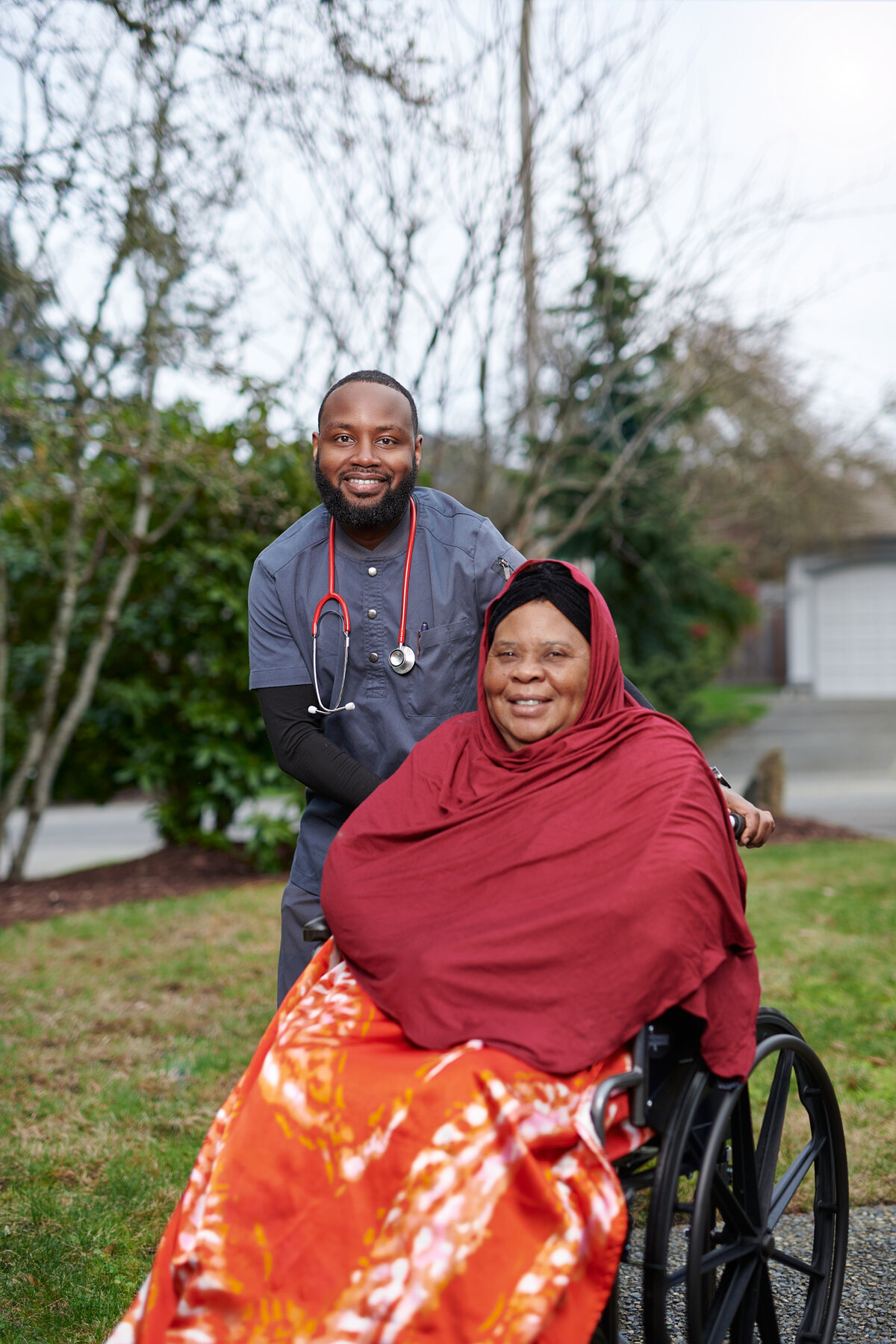
While the Pacific Northwest is known for mild temperatures, Washington summers can bring unexpected heat waves and unique challenges for seniors. Older adults face increased risks from heat, sun exposure, and dehydration due to age-related changes in their bodies' ability to regulate temperature and perceive thirst.
Whether your loved one lives independently, receives home care, or resides in an adult family home, these summer safety strategies help ensure they stay healthy and enjoy the season safely.
Understanding Heat Risks for Seniors
Seniors are particularly vulnerable to heat-related illness for several reasons:
- Reduced sweating: Older bodies produce less sweat, limiting natural cooling
- Decreased thirst perception: Seniors often don't feel thirsty until already dehydrated
- Chronic conditions: Heart disease, diabetes, and respiratory conditions increase heat risk
- Medications: Diuretics, beta-blockers, and other common medications affect heat response
- Limited mobility: Some seniors can't easily move to cooler areas
According to the Centers for Disease Control and Prevention, adults aged 65 and older account for a disproportionate share of heat-related deaths each year.
Keeping Cool at Home
Air Conditioning and Cooling Strategies
Not all Pacific Northwest homes have air conditioning—and recent heat events have proven deadly for unprepared seniors. Ensure your loved one has cooling options:
- Install AC or portable cooling: Window units and portable AC are affordable investments
- Create a cool room: Designate one air-conditioned space if whole-home cooling isn't possible
- Use fans effectively: Fans help below 90°F but can be harmful in extreme heat
- Close blinds during peak heat: Block direct sun, especially on south and west-facing windows
- Identify cooling centers: Know where local cooling centers are located for extreme heat events
Home Safety Checks
Before summer heat arrives:
- Test air conditioning and have it serviced
- Ensure windows and doors seal properly
- Check that fans are working
- Stock up on ice and cold beverages
- Have a thermometer in living areas to monitor temperature
Hydration Strategies
Dehydration is one of the most common summer health issues for seniors. Proactive hydration strategies are essential:
Daily Hydration Tips
- Set a schedule: Drink at regular intervals rather than waiting to feel thirsty
- Track intake: Use a marked water bottle or log to monitor consumption
- Offer variety: Water, decaffeinated tea, fruit-infused water, and water-rich foods
- Limit dehydrators: Reduce caffeine and alcohol, which increase fluid loss
- Eat water-rich foods: Watermelon, cucumbers, grapes, and soups contribute to hydration
Signs of Dehydration
Watch for these warning signs:
- Dark-colored urine
- Dizziness or lightheadedness
- Confusion or irritability
- Dry mouth and lips
- Headache
- Fatigue
Outdoor Activity Safety
Summer offers wonderful opportunities for seniors to enjoy the outdoors, but timing and precautions matter:
Safe Outdoor Times
- Early morning: Before 10 AM is ideal for walks and activities
- Evening: After 6 PM when temperatures cool
- Avoid midday: The hottest hours (10 AM - 4 PM) should be spent indoors
Sun Protection
- Sunscreen: SPF 30+ applied 15 minutes before going out, reapplied every 2 hours
- Protective clothing: Wide-brimmed hats, long sleeves when practical
- Sunglasses: UV-protective lenses to protect eyes
- Seek shade: Rest in shaded areas during outdoor activities
Activity Modifications
Adapt activities for heat:
- Shorten walks and gardening sessions
- Take frequent rest breaks
- Bring water on all outings
- Move indoor activities (exercise, hobbies) to air-conditioned spaces
- Consider early morning farmer's market visits instead of midday shopping
Medication Considerations
Several common medications affect heat tolerance. Review medications with a pharmacist and watch for increased heat sensitivity:
| Medication Type | Heat-Related Concern |
|---|---|
| Diuretics | Increase dehydration risk |
| Beta-blockers | Reduce heart's ability to respond to heat stress |
| Anticholinergics | Decrease sweating |
| Antipsychotics | Impair body temperature regulation |
| Some blood pressure medications | Can cause dizziness in heat |
Also remember: some medications need to be stored away from heat. Insulin, certain heart medications, and others can be damaged by high temperatures.
Recognizing Heat Emergencies
Heat Exhaustion Signs
- Heavy sweating
- Weakness and fatigue
- Cool, pale, clammy skin
- Nausea or vomiting
- Muscle cramps
- Dizziness
Response: Move to cool area, loosen clothing, apply cool compresses, sip water. If symptoms worsen or don't improve in 30 minutes, seek medical attention.
Heat Stroke Signs (Medical Emergency)
- Body temperature above 103°F
- Hot, red, dry skin (no sweating)
- Rapid, strong pulse
- Confusion or loss of consciousness
- Severe headache
Response: Call 911 immediately. Move person to cooler area and attempt to lower body temperature with cool compresses. Do not give fluids if person is unconscious.
Summer in Adult Family Homes
If your loved one resides in an adult family home, you can help ensure their summer safety:
- Verify cooling: Confirm the home has adequate air conditioning
- Discuss hydration protocols: Ask how staff encourages fluid intake
- Check medication storage: Ensure temperature-sensitive medications are properly stored
- Review activity plans: Ask about schedule adjustments during heat waves
- Provide summer clothes: Light, breathable clothing in appropriate sizes
Summer Activities for Seniors
Summer doesn't have to mean staying indoors. Safe activities include:
- Indoor activities: Museums, movies, libraries, shopping malls
- Water activities: Swimming (low-impact exercise), wading pools, water aerobics
- Early morning: Garden walks, outdoor breakfasts, bird watching
- Evening events: Outdoor concerts, sunset viewing, evening picnics
- Day trips: Cooler destinations like mountain areas or waterfront locations
Frequently Asked Questions
How much water should seniors drink in summer?
Most seniors should drink at least 8 cups (64 ounces) of fluid daily, more during hot weather or physical activity. Those with heart failure or kidney disease may have different requirements—check with their doctor. The goal is pale yellow urine; dark urine indicates dehydration.
My parent refuses to run the air conditioning—what can I do?
This is common due to cost concerns or discomfort with AC. Try setting it to a moderate temperature (78°F) rather than very cold. Offer to help with electric bills. Emphasize health risks—sometimes doctor's recommendations carry more weight. If they absolutely won't use AC, ensure they have fans, cold drinks, cooling towels, and know where cooling centers are located.
Are there signs of dehydration specific to dementia patients?
People with dementia may show behavioral changes when dehydrated—increased confusion, agitation, or sleepiness. They may also forget to drink or lose interest in fluids. Caregivers should offer drinks frequently throughout the day, make fluids visible and accessible, and track intake. Popsicles, water-rich fruits, and flavored drinks can help.
When should I be concerned about a heat-related emergency?
Seek medical attention if: symptoms of heat exhaustion don't improve within 30 minutes, confusion develops, they stop sweating despite heat, body temperature exceeds 103°F, or they lose consciousness. For heat stroke (high temp, no sweating, confusion), call 911 immediately—it's a medical emergency that can be fatal without prompt treatment.
Can seniors safely exercise in summer?
Yes, but with modifications. Exercise early morning or in air-conditioned spaces. Reduce intensity on hot days. Ensure good hydration before, during, and after exercise. Monitor for signs of overheating. Water exercises are ideal—pools provide cooling while enabling movement. Always consult their doctor about safe activity levels.