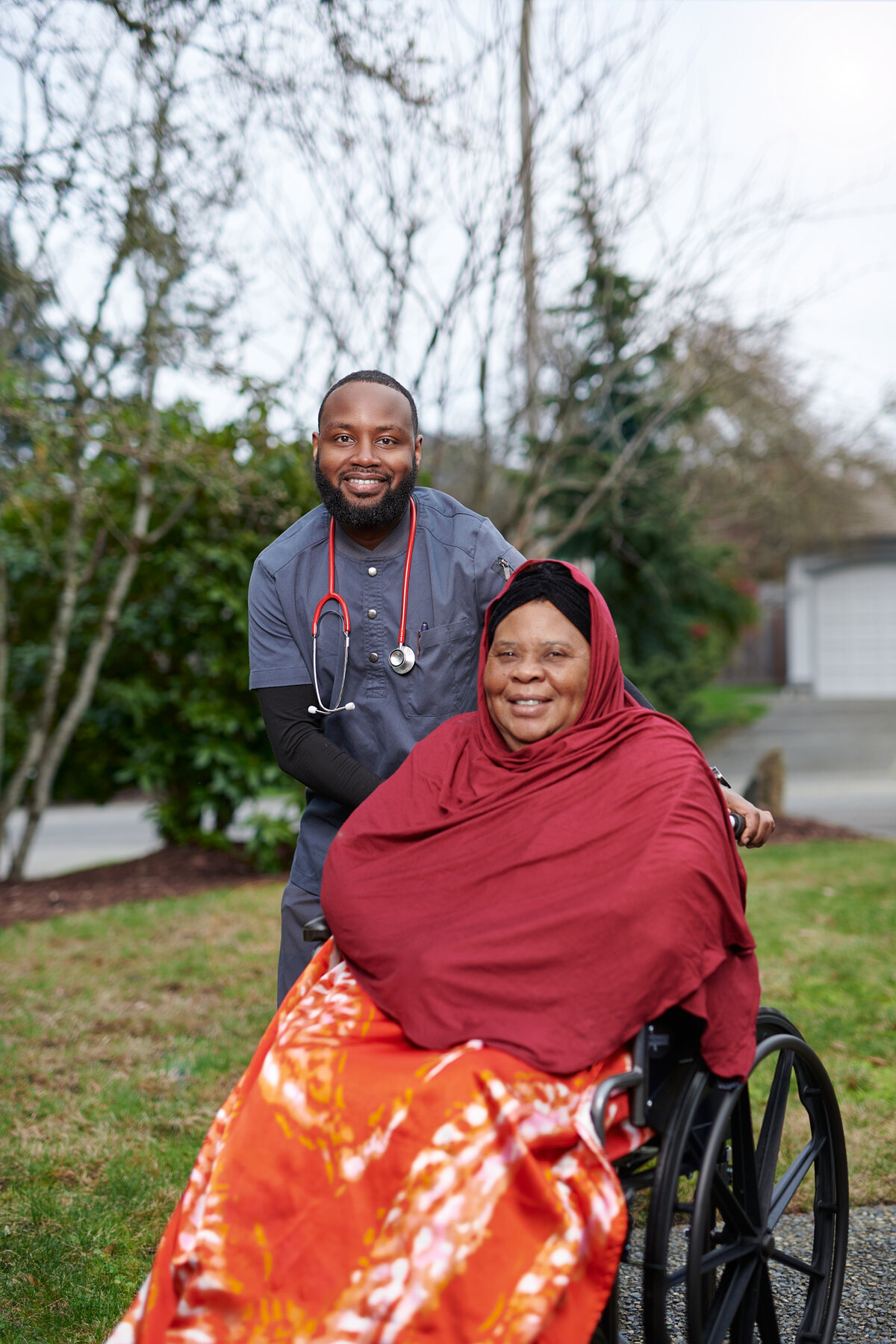
Washington winters bring unique challenges for seniors—cold temperatures, flu season, dark days, and occasional severe weather. Whether your loved one lives at home, with family, or in an adult family home, preparation helps ensure safety and wellbeing through the season.
Cold Weather Safety
Hypothermia Risk
Seniors are at increased risk for hypothermia because:
- Reduced ability to regulate body temperature
- Medications affecting temperature perception
- Decreased mobility limiting ability to stay warm
- Chronic conditions worsening in cold
Keeping Warm
- Maintain indoor temperatures at 68°F or higher
- Layer clothing even indoors
- Wear warm socks and slippers
- Use extra blankets at night
- Close off unused rooms to conserve heat
Seasonal Illness Prevention
Flu and COVID-19
- Get recommended vaccinations early in the season
- Practice good hand hygiene
- Avoid crowds when illness is circulating
- Ensure care facilities have illness protocols
Seasonal Depression
Short days can worsen depression in seniors:
- Maximize exposure to natural light
- Consider light therapy
- Maintain social connections despite weather
- Stay physically active indoors
Storm and Power Outage Preparedness
For Adult Family Homes
Ask your loved one's AFH about their emergency preparedness:
- Do they have backup power/generator?
- What's the protocol for extended outages?
- How are medications requiring refrigeration handled?
- What's the communication plan during emergencies?
For Those Living at Home
- Ensure heating systems are serviced
- Stock emergency supplies (water, food, medications)
- Have flashlights and batteries ready
- Know where to go if home becomes unsafe
- Charge phones and medical devices before storms
Winter Nutrition for Seniors
Proper nutrition supports immune function and helps maintain body temperature:
Foods to Emphasize
- Warm soups and stews: Hydrating and warming
- Hot beverages: Herbal tea, warm water with lemon
- Vitamin D foods: Fatty fish, fortified milk, eggs (sunlight exposure limited in winter)
- Vitamin C sources: Citrus fruits, bell peppers for immune support
- Whole grains: Oatmeal and whole wheat provide sustained energy and warmth
Hydration Reminders
Seniors often don't feel as thirsty in cold weather, but hydration remains important. The National Institute on Aging recommends maintaining fluid intake even when not feeling thirsty.
Medication Considerations in Winter
Cold Weather Medication Issues
- Blood pressure medications: Cold can raise blood pressure; monitor closely
- Insulin: Don't let it freeze; keep at proper temperature during outages
- Inhalers: Cold air can trigger respiratory issues; keep inhalers accessible
- Thyroid medications: Cold intolerance may indicate need for dosage review
Prescription Planning
- Refill prescriptions before storms are forecast
- Keep at least a 7-day supply on hand
- Know pharmacy's emergency protocols
- Maintain updated medication list for emergencies
Winter Emergency Kit for Seniors
Every senior's home should have a winter emergency kit containing:
- 7-day supply of medications
- Flashlights with extra batteries
- Battery-powered radio
- Non-perishable food (easy to open/prepare)
- Bottled water (1 gallon per person per day)
- Extra blankets and warm clothing
- First aid kit
- List of emergency contacts and medical information
- Backup phone charger (battery pack)
- Cash (ATMs may not work during outages)
Frequently Asked Questions
What temperature is too cold for seniors?
Indoor temperatures below 65°F can be dangerous for seniors, especially those with heart or circulatory conditions. Outdoor temperatures below freezing require extra precautions and limited exposure. Wind chill makes conditions more dangerous.
Should my parent get the flu shot even if they're in a care facility?
Yes, definitely. Flu can be especially dangerous for seniors. Most care facilities help coordinate vaccinations. The flu shot significantly reduces the risk of severe illness, hospitalization, and death from influenza.
How do adult family homes handle power outages?
Quality AFHs have emergency preparedness plans including backup power for essential equipment, emergency supplies, and protocols for extended outages. Ask specifically about their plans—homes caring for ventilator-dependent residents must have robust backup power.
My parent refuses to keep the heat high enough—what can I do?
This is common, often due to cost concerns. Offer to help with heating bills. Provide warm clothing and blankets. Consider a programmable thermostat they can't easily change. Emphasize health risks—hypothermia can happen at temperatures that don't seem dangerously cold.
How can I help prevent isolation during winter months?
Schedule regular visits or calls. Help with technology for video calls. Arrange transportation to social activities when weather permits. Consider adult day programs. Check on neighbors and encourage senior centers. Winter isolation can significantly impact mental and physical health.
Communication During Winter Months
Winter weather can disrupt normal routines and communication patterns. Establish backup contact methods with your loved one's care facility and ensure they have current emergency contact information for all family members.
If you're unable to visit in person due to weather, schedule regular video calls to maintain connection. Many adult family homes can facilitate video visits using tablets or smartphones. Staying engaged during winter months helps prevent isolation and allows family members to notice any changes in their loved one's condition.
Finally, discuss the facility's policies for family visits during inclement weather and their procedures for communicating closures or restrictions. Being prepared for these scenarios reduces stress when winter storms arrive.